
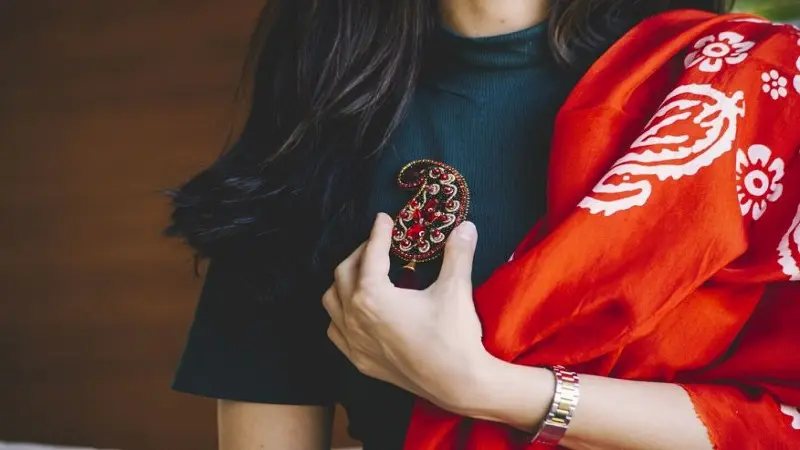
- Lapel pins have evolved from military insignia to versatile symbols of personal expression and social affiliation.
- They serve as fashion statements, political symbols, and commemorative items across various cultures.
- The resurgence of lapel pins reflects broader societal trends towards individuality and nostalgia.
A Brief History of Lapel Pins
Lapel pins, also called enamel pins, have a deep-rooted history that spans ancient civilizations to the present day. Originally, these small accessories were not simply decorative but signified rank, honor, and identity, particularly within military contexts. For example, ancient Roman soldiers wore pins as indicators of rank or unit, a practice mirrored by other historic armies. Over centuries, their role has evolved. During the Renaissance, the use of pins shifted towards the aristocracy, with prominent families commissioning personalized, ornate designs to display status, leadership, and achievement.
Today, the lapel pin is far more than a simple badge. The market for custom lapel pins has opened new avenues for self-expression, personal branding, and creativity. As the world increasingly values uniqueness and story-driven fashion, these small accessories allow individuals to communicate affiliations, beliefs, or commemorate milestones in subtle yet meaningful ways.
Lapel Pins as Fashion Statements
The use of lapel pins as fashion statements has surged recently, with high-profile figures and influencers integrating them into modern wardrobes. These pins offer wearers a way to customize blazers, coats, and bags, bridging classical elegance with new-age trends. Celebrities such as Timothée Chalamet and Robert Pattinson have embraced this accessory, frequently seen pairing unique enamel pins with tailored designer outfits. The trend highlights a broader shift in fashion, one where individual style and storytelling are paramount.
Beyond celebrities, lapel pins appeal to all age groups. Young professionals use them to express subtle hints about their passions or to add a flash of color to workplace attire, while older generations may wear them to honor longstanding memberships or achievements. As detailed by RAIN Magazine, the resurgence of pins is part of a nostalgia-driven accessory trend, mixing personal flair with hints of retro charm.
The design possibilities for lapel pins are virtually endless, as modern designers continue to innovate with new shapes, materials, and artistic collaborations. Enamel, metal, and even resin-based pins can feature bold color palettes, intricate engravings, and playful motifs that align with evolving pop culture icons and trends. Limited-edition collaborations between fashion houses and independent artists have turned pin releases into sought-after moments for collectors and fashion aficionados alike. Lapel pins are increasingly showcased on social media platforms, with dedicated hashtags and user communities exchanging styling tips and highlighting new finds, further amplifying their popularity and cultural resonance.
Political and Social Symbolism
The cultural import of lapel pins extends well beyond style. For decades, they have functioned as visual expressions of political allegiance and social advocacy. Politicians routinely wear lapel pins—such as flags, party symbols, or cause-related emblems during public appearances. These accessories make statements that are quickly and universally understood, often signaling support or solidarity without the need for words.
Social movements have also embraced lapel pins as unifying and rallying symbols. For instance, at major Hollywood events, luminaries like Keke Palmer and Selena Gomez have adorned their outfits with pins and brooches, using these subtle embellishments to challenge norms and highlight support for progressive causes. This cultural shift is indicative of how small details can have a significant cultural impact, as noted in Marie Claire.
In moments of national crisis or collective celebration, lapel pins are frequently distributed and worn as a sign of unity. Schools, nonprofits, and advocacy groups manufacture pins for events such as Pride Month, Breast Cancer Awareness, or World AIDS Day, using the pins to foster a sense of shared purpose and belonging. The discreet size of lapel pins allows wearers to share beliefs in environments where overt displays might not be possible, making them invaluable tools for grassroots mobilization and awareness campaigns. Furthermore, lapel pins have become emblematic mementos distributed during global conferences, summits, and peacekeeping missions, symbolizing the collaborative spirit between nations and organizations.
Commemorative and Heirloom Value
Lapel pins are often tied to cherished memories and significant events. From major sporting competitions to company milestones or graduations, pins serve to mark achievements and important dates. Organizations regularly issue special-edition pins to employees or volunteers, symbolizing years of commitment, recognition, or inclusion in special projects.
As heirlooms, lapel pins can be passed down through generations, carrying with them stories and sentimental value. Whether inherited pins display military honors, school achievements, or commemorative moments, these keepsakes help families and organizations preserve their histories and traditions through tangible artifacts.
Additionally, some families create their own custom pins to mark weddings, reunions, or religious ceremonies, turning these accessories into meaningful gifts for attendees and future descendants. For academic institutions and service organizations, award pins are a point of pride that alumni and members display on special occasions, promoting a sense of shared accomplishment and camaraderie. As society increasingly values memory-keeping and legacy, lapel pins continue to function as durable, sentimental artifacts that encapsulate personal and collective milestones.
The Rise of Pin Collecting
In parallel with their role in fashion and affiliation, collecting pins has grown into a beloved hobby. Enthusiasts scour online marketplaces, swap meets, and conventions for rare, vintage, or limited-edition pins. Major events such as the Olympic Games release special editions that become coveted among collectors, who take pride in curating personal archives reflecting their interests and journeys.
The accessibility and diversity of lapel pins make collecting them appealing to people from all walks of life. From sports fans exchanging pins at stadiums to artists designing unique pins for online storefronts, the community around pin collecting fosters creativity, connection, and personal storytelling.
Pin collecting is often a social experience, with clubs, exhibitions, and online groups dedicated solely to the craft and history of enamel pins. Collectors participate in trade shows and meetups, forging new friendships and sharing stories tied to the objects they collect. Some enthusiasts focus on a specific theme, like Disney characters, pop culture, or corporate branding, while others are intrigued by the artistry and craftsmanship. The surge in independent pin makers and DIY kits encourages creativity, allowing newcomers to design personal pins that celebrate individual stories, events, or interests, thus broadening the hobby’s appeal and relevance to newer generations.
Conclusion
The lapel pin has traversed centuries and social landscapes to become a multifaceted accessory with enduring relevance. Whether as a nod to fashion, a symbol of solidarity, or a sentimental keepsake, lapel pins offer meaning far beyond their modest size. Their steady popularity underscores a fundamental human need to express identity, celebrate heritage, and connect with others through powerful, tangible symbols.
In an age defined by rapid communication and shifting cultural landscapes, lapel pins stand out as humble yet profound objects. They enable wearers to make nuanced statements about who they are, what they value, and the communities they cherish. As pop culture and societal movements continue to intersect, the language of lapel pins will likely grow even richer, ensuring their place in both personal and collective histories for generations to come. Ultimately, in a world where so much is fleeting, lapel pins endure as emblems of permanence; small treasures that encapsulate identity, achievement, and connection, worn proudly on the heart. See more