
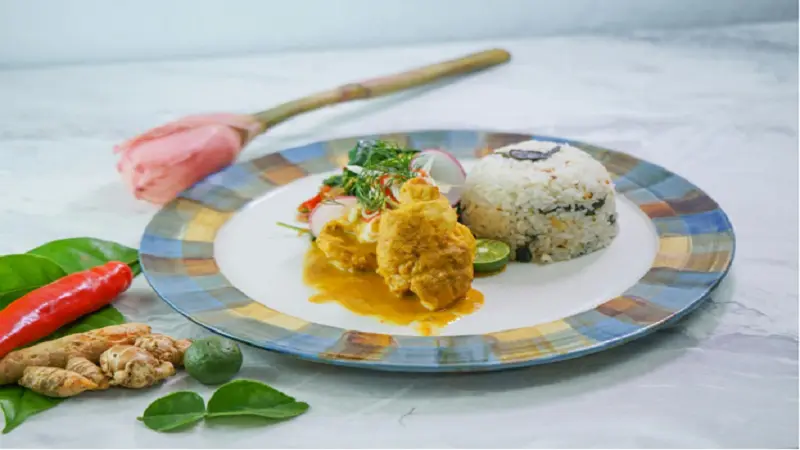
Sick of scrolling past those picture-perfect café posts? You know the ones—$12 smoothie bowls while actual Balinese folks are eating mind-blowing meals for literally pocket change around the corner. That divide between what tourists experience and what locals actually eat? It’s massive, particularly regarding food.
Here’s something interesting: a study focused on Bali food tourism pulled in 633 reads with 106 downloads, which tells us travelers are genuinely hungry for real insider knowledge about Balinese cuisine. What I’m sharing here cuts through the noise—showing you precisely where neighborhood folks actually dine, what dishes they’re ordering, and how you’ll tap into the island’s true character through food without getting caught in pricey tourist schemes.
Understanding What Makes Balinese Food Different
Hold up before you dash toward the closest warung. Understanding what separates this cuisine matters more than you’d think. Most Bali food guide content just throws restaurant names at you, skipping the crucial context that transforms everything.
The Hindu-Balinese Influence on Daily Eating
Here’s the thing—Bali stands apart from Indonesia’s Muslim-majority areas because Hindu traditions drive every single dish. Pork shows up constantly, from ceremonial babi guling to everyday lawar preparations. That tri hita karana concept (balancing humans, nature, and divinity)? It’s not abstract philosophy floating around temples; it literally determines which ingredients get used and when cooking happens.
Want to make your food exploration smoother? An indonesia esim keeps you plugged in wherever you wander, letting you access local food delivery apps and translation tools that decode mysterious menu items and pinpoint authentic neighborhood spots instantly—making your culinary adventure way more spontaneous and fun.
Regional Variations You Can’t Miss
Northern Bali dishes lean heavily on seafood you’ll never encounter in Ubud’s veggie-friendly spots. Denpasar functions as a street food headquarters where office workers snag lunch for 15,000 IDR, East Bali’s fishing communities grill their daily catch beachside. Why does this matter? Because tourist zones mash everything together into this bland Balinese food category, erasing the regional specificity that makes local eating genuinely compelling.
Essential Traditional Balinese Dishes Locals Actually Eat
Research involving 201 international visitors confirms that local cuisine directly shapes Bali’s reputation—so here’s what to eat in Bali according to what Balinese people consume regularly, not whatever tourist joints are pushing.
Morning Staples That Start the Day Right
Nasi jinggo is this incredible 5,000 IDR breakfast phenomenon—miniature portions of rice, pulled chicken, sambal, tempeh, all wrapped in paper. Street vendors appear on corners between 6 and 9 AM. Bubur ayam (that chicken rice porridge) creates this amazing savory aroma wafting through warungs, and it’s what locals grab heading to work. Not açaí bowls, folks.
Lunch and Dinner Favorites
Nasi campur offers a build-your-own rice plate every warung serves—you literally point at whatever looks good behind glass cases, and they load up your plate for 20,000-35,000 IDR.
Ayam betutu, which is Bali’s famous overnight-smoked chicken, requires 4-6 hours using traditional underground cooking techniques. Sate lilit wraps minced fish meat around bamboo sticks rather than metal skewers, creating that signature Balinese twist.
Finding the Best Local Food in Bali
Knowing dish names doesn’t help much if you can’t locate where neighborhood residents actually eat. The best local food in Bali sits right under your nose once you recognize the signs.
Spotting Authentic Warungs vs. Tourist Traps
Legit warungs display nasi campur cases right upfront, print menus exclusively in Indonesian, and charge under 40,000 IDR for complete meals. Spot Western breakfast or prominent Wi-Fi password signage? You’ve wandered into tourist land. Those yellow nasi kuning flags signal ceremonial rice availability—spots flying them take their food preparation seriously.
Market Navigation Strategy
Pasar Badung in Denpasar ranks as Bali’s biggest authentic marketplace. Show up during that 5-7 AM window when locals hunt for peak-freshness ingredients. Here’s my advice: resist committing to the first food stall you see. Walk through the entire food section, watch which vendors have local customers lined up, then circle back. Dishes like lawar, sumping, and jaja batun bedil populate market food courts but mysteriously vanish from tourist restaurant menus.
Comparison: Tourist vs. Local Eating Experience
| Aspect | Tourist Restaurants | Local Warungs |
| Average Meal Cost | 80,000-150,000 IDR | 15,000-35,000 IDR |
| Menu Language | English, photos | Indonesian only |
| Crowd Ratio | 90% foreigners | 90% locals |
| Spice Authenticity | Toned down | Full strength |
| Payment Methods | Card accepted | Cash, QRIS only |
Mastering Warung Ordering Without Language Skills
The pointing method works beautifully—just gesture toward dishes displayed in cases. Memorize three magic phrases: tidak pedas (not spicy), sedikit (a little), and terima kasih.
Most warungs operate on pay-afterwards systems, so you’ll handle the bill post-meal. Don’t anticipate printed menus listing prices; regular customers simply point and rely on fair treatment.
Modern Twists on Traditional Balinese Dishes
Younger Balinese chefs are currently reimagining traditional Balinese dishes while preserving authenticity. Upgraded warungs provide clean, photogenic environments serving identical recipes their grandmothers perfected, just plated prettier. Food halls organized around pasar senggol concepts gather street vendors together with improved hygiene protocols. You’re experiencing genuine food with significantly less intimidation.
Common Questions About Eating Local in Bali
- How much should I budget daily for authentic local food?
Plan for 50,000-100,000 IDR daily when eating like residents—covering breakfast (15,000 IDR), warung lunch (25,000 IDR), dinner (30,000 IDR), plus snacks. Tourist restaurants demand 3-5 times higher prices for considerably less authentic experiences.
- Is street food from warungs safe for tourists?
Select crowded stalls showing high turnover, watch their ingredient handling practices, and ease your digestive system gradually. Most locals consume this food daily without problems. Skip raw items initially and commit to thoroughly cooked preparations.
- Can I eat vegetarian at traditional Balinese restaurants?
Temple cuisine follows vegetarian protocols by religious necessity, meaning dishes like gado gado, urap, and sayur asem appear universally. Saya vegetarian and most warungs will direct you toward meat-free selections, though cross-contamination occasionally occurs in shared cooking environments.
Final Thoughts on Your Bali Food Journey
What separates eating in Bali from eating like actual Balinese locals? Courage. The courage to venture past those polished tourist districts into neighborhoods where menus lack translation and pointing substitutes for verbal ordering. You’ll spend less cash dramatically, experience more genuine flavors, and engage with food traditions that tourism hasn’t watered down yet. Begin with just one neighborhood warung visit or early morning market trip, and you’ll immediately grasp why those tourist restaurants feel so empty by comparison. The authentic Bali lives inside those 20,000 IDR nasi campur plates, prepared by families who’ve perfected identical recipes across generations. Trust me on this one.
See More: lifestylo